

I was very moved by how significantly this physician’s life changed the year following his experience: he became a happier person, he began enjoying his life, he made significant changes in his family and personal life, and in his medical practice. Several times he came back to us, wanting to discuss the experience. At that time, though I had heard of the near-death experience I really had not read much about it. So this event stimulated me to go to the library and do a computer search, trying to find out all I could about the experience, and to share that with him.
Then, within the year, we had a transplant patient who had a very profound near-death experience during a cardiac arrest, yet went through a lot of ridicule from a lot of medical professionals telling him that the experience didn’t mean anything, that it was a hallucination, a dream—all the typical things we were used to hearing. That showed me there was such a significant need to recognize and address these experiences. I decided they should become part of the management of patients who suffer cardiac arrest. Also, I wondered just how frequent these experiences really are.
So after spending a couple of years doing computer searches and reading all of the literature I could find, I drafted a research proposal and took it to the Chairman and Dean of our Washington University Human Studies Committee—and he was very interested and supportive.
VS: That surprised you a little?
JS: Yes. Because I really thought the Committee members might be skeptical about the worthiness of
 |
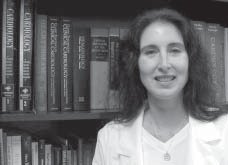
| Dr. Alan N. Weiss,Professor of Medicine (Cardiology) at Washington University |
what I was trying to do. For example, one physician in the hospital who’d heard that I’d sent this proposal to the Human Studies Committee said, “Well, I guess you’re not going to hurt anybody.” But the official committee from the very beginning took the research very seriously, and before long gave me total approval to proceed. They were pleased that I had studied all the existing literature in the field; they definitely felt that it would be a worthwhile study. I think it also may have helped that Dr. Weiss and I are wellknown at the hospital; we had already worked there for 12 years, and we took care of a large number of patients. We’re on hospital rounds every day and also have contact with a wide variety of the staff.
VS: So you were already known and credible, and when you proposed something that stretched your colleagues’ beliefs, they thought, “Well, we’ll keep listening.”
JS: Yes, and they did keep listening. They were supportive and interested, wanting more information. Some others exhibited what I would call healthy skepticism but still were interested to the point where they would come to me and say, “Oh, look, I had a patient that went through this,